
Choosing the right commercial fly screens is not just about pest control: it is about compliance, safety, and operational efficiency. For UK business owners, facility managers, and kitchen operators, the decision carries weight. A failed environmental health inspection, a single pest sighting by a customer, or a torn screen on a busy service corridor can unravel months of hard-won reputation. Premier Screens Ltd has supplied British businesses with heavy-duty, security-focused insect screening for years, and this guide sets out everything you need to know in 2026 to make an informed, confident choice. From legal obligations under retained EU law to the practicalities of mesh grades, installation timeframes, and long-term cost recovery, we cover the full picture.
Table of Contents
- Why UK Businesses Need Commercial Fly Screens: Beyond Basic Pest Control
- What to Look for in a Commercial Fly Screen: Key Features for UK Premises
- Commercial Fly Screen Types: Hinged, Sliding, Roller, or Chain?
- Installation, Maintenance and Lifespan: Getting the Most from Your Screens
- The ROI of Commercial Fly Screens: Cost-Benefit Analysis for UK Businesses
- Frequently Asked Questions About Commercial Fly Screens
- Why Choose Premier Screens Ltd for Your Commercial Fly Screens?
- Secure Your Business with the Right Commercial Fly Screen
Why UK Businesses Need Commercial Fly Screens: Beyond Basic Pest Control
Legal compliance is the starting point for most commercial buyers, and rightly so. Under retained EU Regulation 852/2004, which remains enshrined in UK food safety law, food business operators must take adequate steps to prevent pests from entering premises. The Food Standards Agency expects effective pest-proofing measures, and properly specified commercial fly screens are one of the most visible and auditable ways to demonstrate compliance. An FSA-approved screen on a kitchen door or serving hatch tells an environmental health officer that you take your obligations seriously.
Beyond the letter of the law, there is the matter of brand protection. A single fly in a plated dish, a wasp near a bakery display, or birds entering a loading bay can trigger negative online reviews, social media complaints, and in severe cases, enforcement action or contract losses with major clients. The cost of a heavy-duty screen is trivial compared to the fallout from a single pest incident.
Operational efficiency also improves with the right screens. During summer months, commercial kitchens become punishingly hot. Being able to leave external doors open for natural ventilation while keeping insects out allows staff to work more comfortably and safely, without compromising hygiene. For businesses with frequent deliveries or pass-through hatches, a well-chosen screen keeps workflow moving while maintaining the pest barrier.
Finally, consider cost avoidance. Every reactive pest control call-out, every batch of contaminated stock written off, and every hour of cleaning downtime carries a direct financial hit. A one-time investment in commercial-grade screening reduces these recurring costs year after year.
What to Look for in a Commercial Fly Screen: Key Features for UK Premises
Heavy-Duty Construction for High-Traffic Environments
Commercial environments punish lightweight domestic products. A screen fitted to a busy kitchen entrance might be opened and closed hundreds of times per shift, bumped by trolleys, kicked by hurried staff, and exposed to grease, steam, and cleaning chemicals. The frame must be reinforced aluminium or steel, rated for constant use without warping or sagging. Impact resistance matters: a warped frame creates gaps, and gaps defeat the purpose of the screen entirely.
Security integration is an often-overlooked feature that Premier Screens Ltd has built into its heavy-duty commercial door. A diamond metal grille protects the stainless steel mesh from deliberate or accidental damage, adding a physical security layer that standard screens lack. For ground-floor premises, rear entrances, or sites in higher-crime areas, this grille transforms a fly screen into a secondary security barrier. We also offer an internal shoot bolt retrofit, giving businesses the option to lock the screen door independently of the main external door.
Mesh Materials: Choosing the Right Grade for Your Business

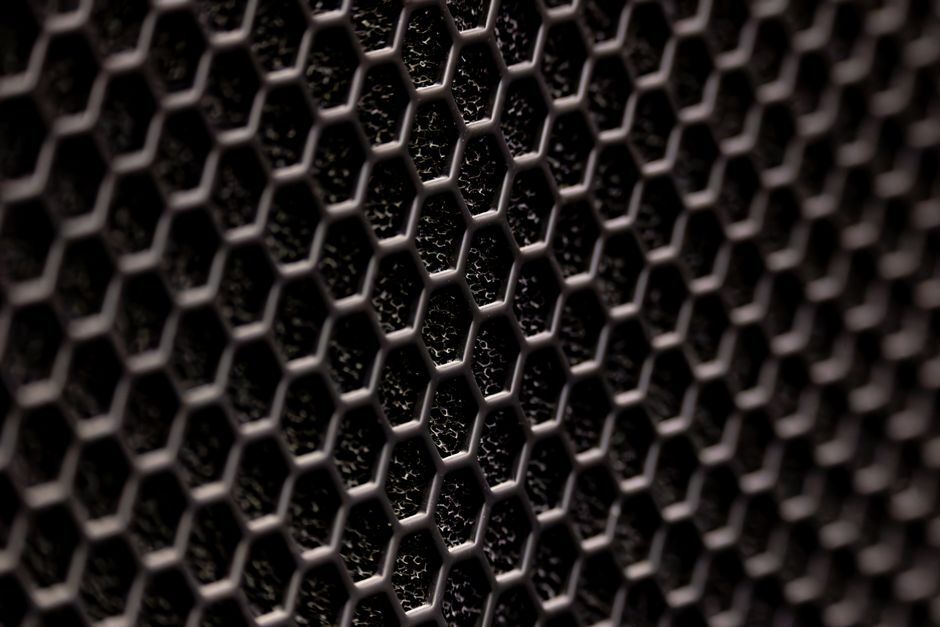
Stainless steel mesh is the gold standard for commercial kitchens and food production areas. It resists corrosion from grease, steam, and aggressive cleaning products, maintains its structural integrity under impact, and is straightforward to clean. Unlike fibreglass, it will not fray or tear when scrubbed, and unlike aluminium, it will not oxidise or weaken in damp conditions.
Aluminium mesh offers a lighter, more affordable alternative with good visibility and airflow, but it is less puncture-resistant and can corrode over time in coastal or chemically aggressive environments. Fibreglass mesh is the budget option: fine for low-traffic domestic use but rarely suitable for commercial applications where durability and hygiene are paramount.
Mesh aperture is another critical specification. A 1.2mm x 1.2mm aperture is the recognised standard for excluding small flies, including fruit flies and drain flies, which are common problems in food preparation areas. Larger apertures may be acceptable for excluding wasps, birds, or larger insects in warehouse or canteen settings, but for any space where food is handled, the finer mesh is essential.
Made-to-Measure vs. DIY Kits: Which Is Right for You?
Made-to-measure screens are manufactured to the exact dimensions of your opening, guaranteeing a tight seal and full coverage. For non-standard doorways, fire exits, and awkward architectural openings, off-the-shelf sizes simply will not work. Professional installation saves time, ensures the screen operates correctly, and gives you recourse if something is not right.
DIY kits serve a purpose for standard-sized windows or budget-conscious operators with basic fitting skills, but they demand accurate measuring and a willingness to accept responsibility for any gaps or misalignment. In a commercial setting where compliance is on the line, the margin for error is slim.
Premier Screens Ltd supplies made-to-measure, heavy-duty commercial doors as the professional-grade solution. Our standard commercial door, priced at £508.00 plus VAT, is built to order and dispatched within approximately seven working days. It is a product for businesses that cannot afford fitment errors or premature failure.
Commercial Fly Screen Types: Hinged, Sliding, Roller, or Chain?
Hinged screens, available for single and double doors, are the workhorse of the commercial sector. They open fully, allowing unobstructed passage for staff carrying trays, pushing trolleys, or moving stock. They suit main entrances, fire exits, and any high-traffic doorway where speed of movement matters. A practical feature Premier offers is removable hinge pins, which allow the entire door to be lifted off for deep cleaning or winter storage without tools.
Sliding screens are the space-saving alternative for patio doors, serving hatches, and pass-through counters. Where a hinged door would swing into a narrow workspace or block a corridor, a sliding screen glides parallel to the wall. They are common in canteens, bar serveries, and kitchens with wide external openings.
Roller screens provide a retractable option for windows and doors used intermittently. The mesh rolls up into a cassette when not needed, preserving the view and allowing full use of the opening. Some suppliers offer wind-resistant roller ranges for exposed sites, though these remain a niche solution compared to fixed-frame screens for commercial doors.
Chain screens, consisting of individual metal chains hanging from an aluminium headrail, are a durable, self-closing option for very high-traffic doorways such as warehouse entrances, loading bays, and canteen access points. They allow personnel and vehicles to pass through without stopping, and the chains fall back into place automatically. They are less common than hinged or roller screens but highly effective in the right setting.
When comparing types, consider durability first, then cost, ease of cleaning, and the specific use case. A hinged stainless steel mesh door will outlast a roller screen in a busy kitchen, but a roller screen may be the only practical choice for a window above a prep counter. A chain screen suits a loading bay where a framed door would be impractical. The key is matching the product to the demands of the environment.
Installation, Maintenance and Lifespan: Getting the Most from Your Screens
Professional Installation vs. Supply-Only
Many UK suppliers, including Premier Screens Ltd, offer national fitting services alongside supply-only options. A typical commercial door screen installation takes between one and two hours, depending on the opening and any adjustments required. Supply-only orders suit businesses with in-house maintenance teams, but professional fitting ensures the screen is installed squarely, operates smoothly, and meets fire safety requirements.
Fire door considerations are critical. Any screen fitted to a designated fire escape route must not impede egress. Hinged screens with quick-release hinges or removable pins, as Premier supplies, allow the screen to be opened fully in an emergency or removed entirely without tools. Always confirm with your fire risk assessor that the chosen screen and fitting method are appropriate for the specific door.
Dispatch timeframes vary across the industry. Premier dispatches made-to-measure commercial doors within approximately seven working days. Some competitors quote two to three weeks for bespoke orders, so if you are working to an inspection deadline or a seasonal rush, factor lead times into your planning.
Cleaning and Maintenance Schedules for Commercial Environments
A regular cleaning routine extends screen lifespan and maintains hygiene standards. For daily or weekly cleaning, wipe down the mesh with a soft brush or a damp cloth to remove grease, dust, and airborne debris. Avoid pressure washers and abrasive pads, which can damage the mesh surface or force debris into the aperture. Stainless steel mesh tolerates gentle cleaning products; fibreglass and aluminium require more care.
Seasonal removal is a practical option with Premier's hinged doors. Lifting the door off its hinge pins takes seconds and allows for deep cleaning of both the screen and the door frame, or for storing the screen over winter when doors are kept closed. This simple step can add years to the product's working life.
Knowing when to replace a screen is straightforward. Torn mesh, corroded frames, stiff or seized hinges, and reduced visibility through the mesh are all indicators that a replacement is due. In a busy commercial kitchen, a stainless steel screen should last five to ten years with proper care. Lighter-duty products may need replacement sooner.
The ROI of Commercial Fly Screens: Cost-Benefit Analysis for UK Businesses
The financial case for commercial fly screens is straightforward when you examine the direct savings. Fewer pest control call-outs reduce your annual contract costs. Less product waste from contamination protects your margins. Fewer cleaning hours spent addressing pest-related incidents frees up staff for productive work.
Energy efficiency is an underappreciated benefit. Screens allow natural ventilation, which reduces reliance on air conditioning during warmer months. For UK businesses facing rising energy costs in 2026, any measure that cuts cooling expenditure while maintaining a comfortable working environment deserves attention.
Compliance cost avoidance is the most compelling figure. Fines, closure orders, or legal fees resulting from a pest breach can run into thousands of pounds. A single heavy-duty commercial screen at £508 plus VAT is a fraction of that risk. For multi-site operators, the maths is even more persuasive. Some suppliers offer bulk discounts: one competitor provides a 10 per cent reduction on orders of ten or more units, a saving worth exploring for chains or businesses fitting out multiple locations simultaneously.
Frequently Asked Questions About Commercial Fly Screens
Are fly screens a legal requirement in UK commercial kitchens? Yes, under retained EU Regulation 852/2004, food premises must have adequate pest-proofing measures in place, and properly specified fly screens are a key part of that requirement.
What mesh size is best for a commercial kitchen? A 1.2mm x 1.2mm aperture in stainless steel mesh is the standard for excluding small flies such as fruit flies and drain flies. Larger apertures may be acceptable for non-food areas where the target pests are wasps, birds, or larger insects.
Can commercial fly screens be fitted to fire doors? Yes, provided they are fitted with quick-release hinges or removable pins that allow the screen to be opened fully or removed without obstructing egress. Always consult your fire risk assessor before installation.
How do I measure for a made-to-measure commercial fly screen door? Measure the width at the top, middle, and bottom of the opening, and use the smallest measurement. Measure the height at the left, centre, and right, and use the smallest measurement. Check the diagonals: if the two diagonal measurements differ significantly, the opening is out of square and may require adjustment before fitting.
How often should commercial fly screens be replaced? In a busy commercial setting, a stainless steel screen should last five to ten years with proper cleaning and maintenance. Lighter-duty materials may need replacement sooner. Inspect screens regularly for tears, corrosion, or frame damage.
Why Choose Premier Screens Ltd for Your Commercial Fly Screens?
Premier Screens Ltd designs and supplies all products for British commercial environments and UK regulations. Our security-first approach sets us apart: the diamond metal grille protecting the stainless steel mesh on our heavy-duty door adds a layer of physical security that standard commercial screens simply do not offer. For ground-floor kitchens, rear service entrances, and any premises where night-time security is a concern, this feature delivers genuine peace of mind.
Every screen we supply is fully guaranteed and meets Food Standards Agency requirements for food premises. Our pricing is transparent: the heavy-duty commercial door is listed at £508.00 plus VAT, with no hidden quote requests or surprise fees. The removable hinge pin design allows for winter storage and deep cleaning, extending the product's working life and making maintenance straightforward for busy teams.
Secure Your Business with the Right Commercial Fly Screen
The decision comes down to four factors: compliance, durability, security, and return on investment. A screen that meets legal requirements, withstands daily punishment in a commercial environment, adds a security benefit, and pays for itself through reduced costs is not an expense: it is an asset. Choosing a UK supplier with proven commercial experience ensures the product is built for British regulations, British weather, and British business demands. Browse our commercial range, request a quote, or contact Premier Screens Ltd to discuss a site assessment. Your next environmental health inspection should be the least of your worries.
