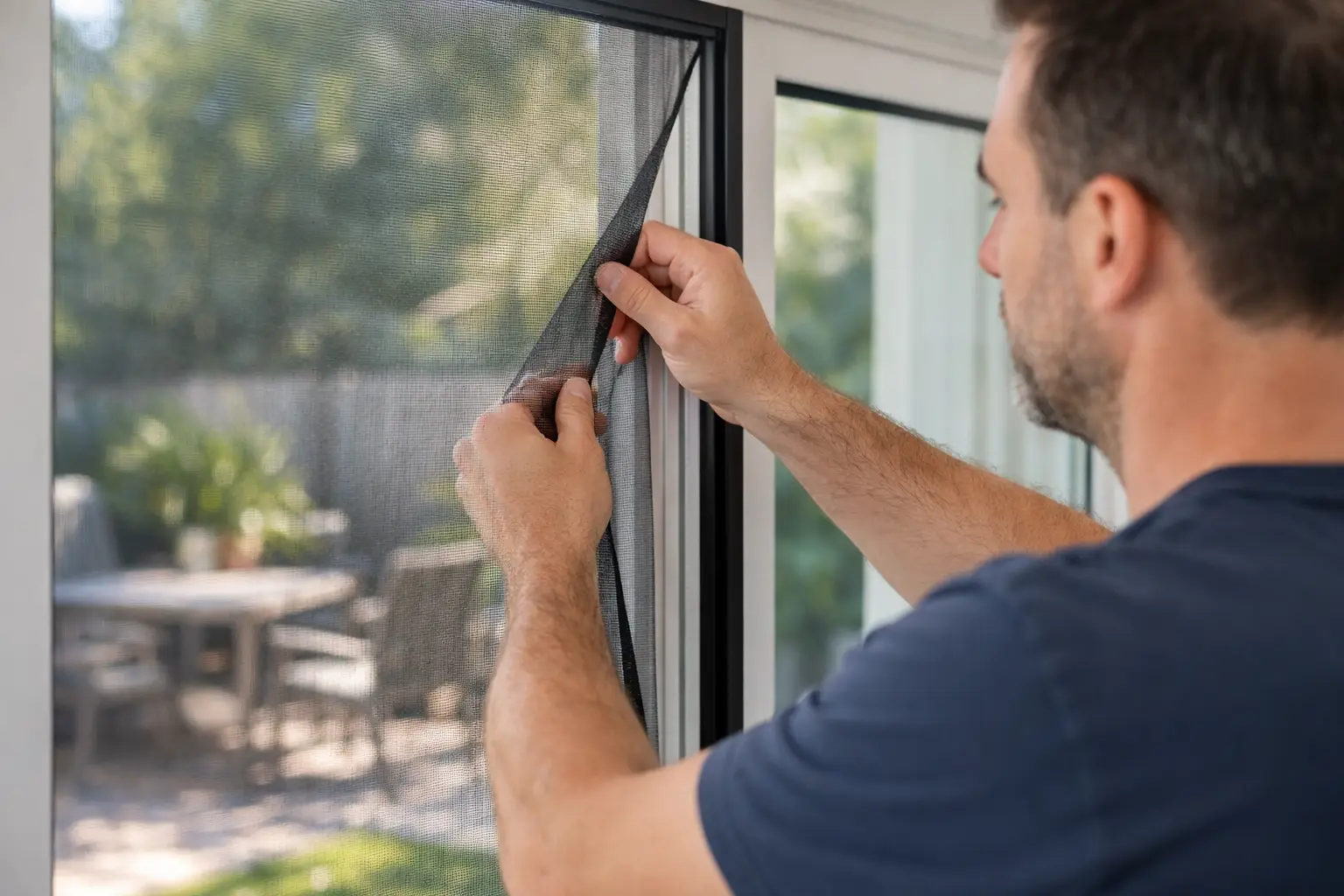
For any food business, commercial kitchen, or high-traffic facility in the UK, commercial fly screen doors are not an optional extra. They are a frontline defence against pest contamination, a legal safeguard under Food Safety Regulations, and a practical investment that protects both your reputation and your bottom line. This guide cuts through the marketing claims to examine exactly what makes a fly screen door genuinely commercial-grade, from the Grade 304 stainless steel mesh that stops the smallest insects to the reinforced aluminium frames that survive thousands of daily cycles. Whether you manage a restaurant kitchen, a hospital catering unit, or a food processing plant, the specifications you choose today will determine your compliance status, your maintenance costs, and the security of your premises for years to come. We cover the materials, the regulations, the pricing, and the unique engineering features that separate a serious commercial door from a domestic screen that will fail within months.
Table of Contents
- Why Commercial Fly Screen Doors Are a Legal and Operational Necessity
- Heavy-Duty Construction: What Makes a Screen Commercial Grade
- Pricing, Lead Times and ROI for Commercial Fly Screen Doors
- Choosing the Right Type of Commercial Fly Screen Door
- Maintenance, Cleaning and Longevity of Commercial Fly Screens
- Frequently Asked Questions About Commercial Fly Screen Doors
- Why Choose Premier Screens Ltd for Your Commercial Fly Screen Doors
Why Commercial Fly Screen Doors Are a Legal and Operational Necessity
The legal framework governing pest control in UK food premises is unambiguous. The Food Safety Act 1990 and subsequent Food Hygiene Regulations make it an offence to fail to protect food from contamination. The Food Standards Agency provides clear guidance: premises where food is prepared, stored, or served must take adequate precautions against pests, and physical barriers such as fly screens are specifically cited as an expected control measure. An environmental health officer inspecting your kitchen will look for properly fitted screens on doors and windows that open to the outside. If they find gaps, tears, or domestic-grade mesh that cannot exclude small flies, you risk a Hygiene Improvement Notice, a fine, or in severe cases, closure of the business until compliance is achieved.
The operational risks extend well beyond the inspection. A single pest incident can contaminate stock worth thousands of pounds, trigger a negative review that spreads across social media, and erode the trust you have built with customers over years. Pest control call-outs following an infestation typically cost between £200 and £500 per visit, and repeat treatments quickly add up. Compare this to a one-off investment in a properly specified commercial fly screen door, and the financial logic becomes clear. Domestic fly screens, the type sold in DIY shops for household use, are simply not built for commercial environments. Their frames flex under repeated use, their mesh tears at fixing points, and their hinges seize in the greasy atmosphere of a working kitchen. A commercial screen uses materials and construction methods designed for exactly these conditions, and the difference is measurable in years of service life rather than months.
Key Regulatory Standards for 2026
FSA compliance for fly screens centres on the mesh aperture size. To exclude the smallest flying insects common in UK food premises, including fruit flies and midges, the mesh must have an aperture no larger than 1.29mm. This is the standard delivered by Grade 304 stainless steel mesh with 0.3mm wire thickness, and it is the specification your environmental health officer will expect to see. Fire door compatibility is a separate critical consideration. Any screen fitted to a designated fire door must use a fire-rated frame system with intumescent seals that expand under heat to maintain the door's fire integrity. Never fit a standard screen frame to a fire door without confirming its fire rating with the manufacturer. On the insurance side, reputable commercial installers carry a minimum of £5,000,000 Public Liability Insurance, and their fitting teams should hold CSCS qualifications, confirming their competence to work on commercial premises safely and to specification.
Heavy-Duty Construction: What Makes a Screen Commercial Grade
The frame is the skeleton of any fly screen door, and in commercial applications, it takes a beating. A proper heavy-duty commercial frame uses 50mm by 15mm aluminium sections, substantially thicker than the 25mm profiles common on domestic screens. These sections are cut with mitred corners for a precise fit and reinforced with riveted internal strengtheners at each joint. The result is a frame that resists twisting, bowing, and sagging even when the door is used hundreds of times per shift. The aluminium itself is typically powder-coated, providing corrosion resistance that stands up to kitchen cleaning chemicals and outdoor exposure without pitting or peeling.
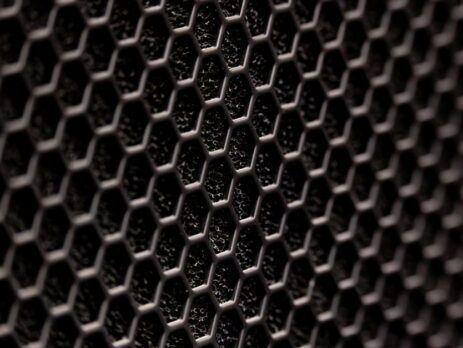
The mesh is where the real engineering happens. Commercial-grade stainless steel mesh is woven from Grade 304 wire, 0.3mm in diameter, creating a 1.29mm aperture that stops insects while maintaining a 65.78% open area for airflow. This matters because a kitchen in August needs ventilation, and a screen that blocks the breeze will simply be propped open, defeating its purpose. The mesh weighs 710 grams per square metre, a figure that reflects its density and durability. It resists denting from accidental knocks, does not stretch out of shape under tension, and withstands the heat and humidity that would degrade fibreglass alternatives within a season.

Security integration is an area where Premier Screens Ltd has engineered a genuine advance over standard commercial offerings. A diamond metal grille fixed across the mesh face prevents anyone from cutting or forcing their way through the screen to access the premises. This grille can accommodate an internal shoot bolt, effectively turning the fly screen into a lockable security door that protects against both pests and intruders. For businesses in urban areas or those that leave doors open for ventilation during evening service, this dual function eliminates the need for separate security grilles.
Two further practical innovations deserve attention. The first is the removable hinge pin system. Traditional fly screen doors are fixed in place, making deep cleaning behind them awkward and winter storage impossible without unscrewing the entire frame. With removable hinge pins, the door lifts off in seconds, allowing staff to clean the frame and surrounding area thoroughly, or to store the screen during the months when insects are not active, extending its service life. The second is the optional 50mm subframe. Many commercial doors have handles, panic bars, or lock mechanisms that protrude beyond the door face, preventing a standard screen from closing flush. The subframe builds the screen frame out from the wall by 50mm, creating clearance for these projections without leaving a gap that insects could exploit. This is the kind of detail that separates a supplier who understands real commercial environments from one selling generic products.
Comparing Mesh Materials for Commercial Use
Stainless steel in Grade 304 is the benchmark for commercial kitchens and food preparation areas. It handles heat, resists corrosion from cleaning agents, maintains its aperture size under tension, and meets FSA hygiene expectations without question. The trade-off is cost: stainless steel mesh screens are more expensive than alternatives, but the cost is justified by longevity and compliance. Aluminium mesh offers a lighter and cheaper option, and it performs adequately in lower-impact settings such as office kitchens or staff canteens where traffic is moderate and grease levels are low. However, aluminium dents more easily and can corrode in aggressive cleaning environments. Fibreglass mesh has no place in heavy commercial use. It degrades under UV exposure, stretches and sags over time, absorbs grease and odours, and tears at stress points. Any saving on purchase price is quickly lost in replacement costs and failed inspections.
Pricing, Lead Times and ROI for Commercial Fly Screen Doors
The market for commercial fly screen doors in the UK spans a wide price range, and understanding what you get at each level prevents both overspending and under-specifying. At the entry level, chain curtain DIY kits start around £49. These are suitable for warehouse doorways or loading bays where the primary concern is keeping out larger flying insects and birds, but they do not provide the fine mesh barrier required for food preparation areas. A basic made-to-measure hinged screen door for a single entrance typically falls between £200 and £350, depending on size and frame specification. At the upper end, a heavy-duty commercial door with security grille, Grade 304 stainless steel mesh, and the full 50mm reinforced frame is priced around £508 plus VAT. Double door screens, which require two leaf assemblies and a central meeting stile, range from £514 upwards for made-to-measure fabrication.
Delivery lead times for bespoke commercial doors from UK manufacturers are typically five to seven working days. This is fast enough to meet urgent compliance deadlines following an inspection, but it assumes the supplier holds raw materials in stock and fabricates in-house. When comparing suppliers, confirm whether the stated lead time covers made-to-measure fabrication or only applies to standard sizes pulled from stock. Warranty terms provide a useful signal of manufacturer confidence. A two-year warranty on all screens, covering frame defects and mesh failure under normal commercial use, is the standard set by reputable suppliers. Anything less suggests corners have been cut.
The return on investment for a commercial fly screen door is rarely calculated, but it is straightforward to estimate. A kitchen that can safely keep its doors open during summer reduces its reliance on extraction fans and air conditioning, cutting energy costs. Even a modest reduction in cooling load can save £100 to £300 per cooling season. More significantly, preventing a single pest infestation avoids the direct cost of pest control treatment, the indirect cost of stock disposal, and the unquantifiable cost of reputational damage. A restaurant that closes for even one evening due to pest issues loses revenue and customer confidence simultaneously. Against these figures, a one-off investment of £500 to £1,000 for a properly specified door that lasts five to ten years is negligible.
DIY Kits vs. Professional Installation
DIY kits appeal to businesses with standard door sizes and in-house maintenance capability. Prices range from £49 to £150, and installation requires accurate measuring, basic tools, and careful fitting to ensure there are no gaps. The risk is that a poorly fitted screen fails an inspection or allows insects to bypass the barrier entirely. Professional installation by CSCS-qualified fitters costs more but guarantees compliance. Some suppliers operate mobile workshops, fabricating screens on-site to account for the slight irregularities that every building develops over time. For heavy-duty doors, fire door applications, or any opening where the screen must integrate with existing security hardware, professional installation is the only sensible choice. The cost of rectifying a failed inspection exceeds the installation saving every time.
Choosing the Right Type of Commercial Fly Screen Door
Hinged screens are the workhorse of commercial fly protection. For single doors and double doors alike, a hinged screen with heavy-duty butt hinges or continuous piano hinges provides reliable operation and a tight seal against the frame. The hinges must be rated for the weight of the door and the frequency of use; lightweight domestic hinges will sag within months. For double doors, each leaf requires its own screen, and the meeting point between the two screens must close tightly, typically with a magnetic or brush seal.
Sliding and patio screens address wide openings where hinged doors would be impractical. These systems run on tracks, either floor-mounted or suspended, and require robust roller assemblies that do not jam when debris accumulates. In commercial kitchens, floor tracks can trap food particles, so suspended systems with bottom guides are often preferred. Roller screens offer a retractable alternative for spaces where a permanent screen door would obstruct movement during certain operations. They roll up into a cassette when not needed, preserving the appearance of the entrance. The mechanism must be rated for frequent cycling, and the side channels must seal effectively against the mesh edges.
Chain curtains and PVC strip curtains occupy the budget end of the market. They are effective for warehouse openings, loading bays, and internal doorways between temperature zones, but they do not provide the fine insect exclusion required for food preparation areas. Canopy box screens represent a niche but valuable solution for windows in commercial kitchens. The system creates a screened box that the window opens into, allowing full ventilation while maintaining the insect barrier. This is particularly useful for low-level windows where a standard fixed screen would prevent the window from being opened or closed.
Measuring and Sizing for Commercial Doors
Accurate measurement is the foundation of an effective screen. For width, measure the door opening at the top, middle, and bottom, and use the smallest dimension. For height, measure at the left, centre, and right, again using the smallest figure. This accounts for any unevenness in the opening. If the door has handles, panic bars, or other projections, measure their depth from the door face and specify a subframe if the projection exceeds the frame depth. For double doors, measure the full opening width, not each individual leaf, as the screen frame must span the entire aperture. Add a 10mm tolerance to all dimensions to allow for fitting adjustment; a screen cut exactly to the opening size will be difficult to install and may bind.
Maintenance, Cleaning and Longevity of Commercial Fly Screens
A commercial fly screen door in a kitchen environment accumulates grease, dust, and airborne particles rapidly. Weekly cleaning is the minimum frequency for screens in active food preparation areas. Use warm water with a mild detergent and a soft-bristled brush to work the solution through the mesh without distorting the wires. Rinse with clean water and allow to air dry. Avoid pressure washers entirely: the concentrated jet can stretch or tear the mesh and force water into the frame joints, promoting internal corrosion. For screens in lower-grease environments such as storage areas or office kitchens, monthly cleaning is usually sufficient.
Mesh replacement intervals depend on the severity of the environment. In a busy commercial kitchen, expect to replace the mesh every three to five years. Signs that replacement is needed include visible tears, mesh that has stretched and no longer holds its aperture size, or corrosion spots that cannot be cleaned. The frame itself should last considerably longer, often ten years or more, provided the aluminium sections are not physically damaged. Quarterly inspections should check for tears in the mesh, loose or bent frame sections, worn hinges, and seals that have compressed and no longer close tightly. Catching these issues early prevents them from becoming compliance failures.
Winter storage is a practical consideration that many suppliers overlook. In the UK, flying insects are largely absent from November to March, and leaving screens in place exposes them to winter weather and unnecessary wear. The removable hinge pin system offered by Premier Screens Ltd allows the entire door to be lifted off in seconds and stored flat in a dry area. This simple feature can double the effective life of the mesh and keep the frame looking new for years longer than a permanently installed screen.
Frequently Asked Questions About Commercial Fly Screen Doors
What size mesh is required for commercial kitchens? The standard for FSA compliance is a 1.29mm aperture, achieved with Grade 304 stainless steel mesh using 0.3mm wire. This excludes fruit flies, drain flies, and other small insects common in UK food premises.
Are fly screens a legal requirement for food businesses? Yes. The Food Hygiene Regulations require food business operators to take adequate precautions against pests. Physical barriers, including fly screens on doors and windows that open to the outside, are an expected control measure. An environmental health officer will note their absence during an inspection.
Can fly screens be fitted to fire doors? Yes, but only using frames and fittings that have been tested and certified for fire door applications. These systems incorporate intumescent strips that expand under heat to seal gaps and maintain the door's fire rating. Never fit a standard screen to a fire door without confirming compatibility with both the screen manufacturer and the fire door specification.
How do I measure for a commercial fly screen door? Measure the width at three points and use the smallest dimension. Measure the height at three points and use the smallest dimension. Account for any handles or projections that might prevent the screen from closing. Add 10mm tolerance for fitting.
What is the difference between domestic and commercial fly screens? Commercial screens use thicker frame sections, typically 50mm by 15mm aluminium with internal strengtheners, compared to the 25mm profiles of domestic screens. The mesh is Grade 304 stainless steel rather than fibreglass or lightweight aluminium. Commercial screens also incorporate features like security grilles, heavy-duty hinges rated for high-frequency use, and compliance with FSA mesh aperture standards.
Why Choose Premier Screens Ltd for Your Commercial Fly Screen Doors
Premier Screens Ltd manufactures commercial fly screen doors in the UK, supplying businesses nationwide with a fitting service that covers the entire country. The company's heavy-duty commercial door combines FSA-compliant Grade 304 stainless steel mesh with a 50mm reinforced aluminium frame, diamond security grille, and the practical details that make a difference on site: removable hinge pins for cleaning and winter storage, and an optional 50mm subframe that solves the protruding handle problem that defeats standard screens. Bespoke orders are fabricated and delivered within five to seven working days, keeping your compliance timeline on track. For a quotation, a site survey, or technical advice on specifying screens for your 2026 installation, contact Premier Screens Ltd directly and speak to a team that understands the realities of commercial pest control.
See our commercial heavy duty fly screen doors and commercial fly screen door ranges, or the full fly screens for doors category.