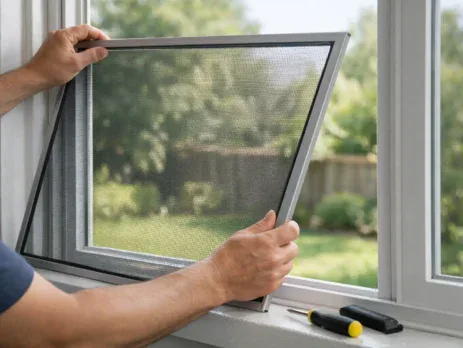
A window left open on a warm evening should bring in fresh air, not flies, wasps and midges. That is why well-made window screens matter. For homes, rental properties and commercial premises alike, the right screen gives you ventilation without the usual trade-off of inviting insects indoors.
Off-the-shelf products often seem like a quick fix, but they rarely deal well with real-world openings. Windows vary, frames are not always perfectly square, and different rooms have very different demands. A bedroom may need discreet screening that is easy to forget about once fitted, while a commercial kitchen may need a more hard-wearing system that stands up to frequent use and cleaning. In both cases, fit is not a small detail. It is the difference between proper protection and a screen that lets gaps do the work for the insects.
Why window screens are worth fitting
The main job of a fly screen is straightforward – keep insects out while allowing air to circulate. That sounds simple, but the practical value is wider than many buyers first realise.
In the home, window screens make summer more comfortable. You can open windows during the day or overnight without dealing with flies around food, mosquitoes in bedrooms or wasps drifting into kitchens and living areas. If you have pets or children, that everyday convenience becomes even more useful because it reduces the need to keep windows shut during warmer weather.
For landlords and property managers, screens can be a sensible long-term addition rather than a seasonal extra. They help improve tenant comfort, reduce complaints about insects and offer a more durable solution than temporary nets or adhesive products that often need regular replacement.
In commercial settings, the case is even stronger. Food preparation areas, catering spaces, hospitality premises and other hygiene-sensitive environments need insect control that does not block airflow or create operational hassle. A properly specified screen supports cleaner working conditions and can help maintain a more professional standard throughout the premises.
Choosing window screens by how the window is used
The best screen is usually the one that suits the way the window is opened, cleaned and accessed. This is where many generic products fall short. They focus on being cheap or broadly compatible, rather than genuinely practical once installed.
Fixed and magnetic window screens
For windows that do not need frequent access, fixed or magnetic options can be a sensible choice. A fixed screen offers a clean, secure barrier and is often ideal where the priority is consistent protection. Magnetic systems are useful where occasional removal is needed for cleaning or access, and they can be particularly popular in domestic settings.
The trade-off is simple. Fixed screens tend to feel more permanent and stable, while magnetic versions offer more flexibility. Which matters most depends on the room and the user. In a kitchen or utility space, easy access may be more valuable. In a less frequently handled opening, a rigid fixed system may make more sense.
Roller window screens
Roller systems suit customers who want screening available when needed, but neatly out of sight when not in use. They are especially practical for windows where access is required on a regular basis or where a tidy, retractable finish is preferred.
This style works well because it keeps the screen protected within its housing when retracted, which can help with lifespan and appearance. It also gives a more integrated result than improvised temporary products. The key consideration is making sure the unit is properly measured and made for the opening. A roller screen that does not sit correctly can quickly become frustrating to use.
Hinged solutions for regular access
Some windows, particularly in commercial or service areas, need a screen that can be opened quickly and repeatedly. In those cases, a hinged screen can be a better fit than a fixed or retractable option. It gives immediate access and a more durable frame structure, which can be useful where windows are opened often for cleaning, serving or ventilation control.
This type of system is less about minimal visual impact and more about dependable day-to-day performance. If function comes first, it is often the right call.
Mesh matters as much as the frame
When people compare window screens, they often focus first on the frame style. That matters, but the mesh itself is just as important. Different mesh options affect visibility, airflow, durability and suitability for the environment.
Standard insect mesh is right for many domestic applications. It keeps out common flying insects while still allowing good light transmission and ventilation. For some customers, though, a specialist mesh is the better choice.
If durability is a concern, such as in homes with pets or in busier working environments, a stronger mesh may be worth considering. In settings where hygiene is critical, the mesh needs to support reliable insect exclusion without making cleaning difficult or reducing usable airflow more than necessary.
There is always a balance. Finer mesh can improve protection against smaller insects, but it may reduce airflow slightly compared with more open weaves. Heavier-duty materials can improve lifespan, but may be more than a typical domestic window really needs. Good specification is about choosing for the job, not simply choosing the toughest option available.
Made-to-measure window screens perform better
A bespoke fit is not a luxury extra. It is what makes a screen do its job properly.
Windows in UK properties are rarely as standard as people expect. Older houses, replacement frames, timber windows, uPVC windows and commercial openings all bring their own dimensions and fixing considerations. Even small inconsistencies in width, reveal depth or squareness can create gaps that compromise performance.
Made-to-measure window screens avoid the usual problems of trimming, forcing, packing and hoping for the best. They sit correctly within the intended opening, operate as they should and present a cleaner finish. Over time, that usually means fewer issues with movement, wear and poor sealing.
It also makes installation more straightforward. A screen built for the opening is easier to fit accurately than one that has been adapted from a generic size. That matters to homeowners fitting a single screen and equally to trade buyers or facilities teams managing multiple units across a site.
Domestic and commercial needs are not quite the same
A lot of buyers start with the same goal – keep insects out – but the right answer differs depending on where the screen will be used.
In domestic rooms, appearance, ease of use and everyday convenience tend to lead the decision. Bedrooms often benefit from simple, reliable screening that allows overnight ventilation. Kitchens usually need something easy to clean and practical around regular opening. Conservatories and garden-facing rooms may need solutions that cope with heavier insect pressure during warmer months.
Commercial environments place more weight on duty cycle, frame strength and hygiene. In a food preparation area, for example, the screen may be opened and closed more frequently, exposed to more demanding conditions and expected to perform consistently through long operating hours. In those cases, durability and specification matter more than the lightest or cheapest option.
That is where specialist manufacturing experience counts. A supplier focused on insect screening can usually offer a better match between product type, mesh option and working environment than a general hardware retailer.
What to look for before you buy
The first question is not which screen looks best. It is how the window is used. Think about whether the opening needs regular access, whether the screen will stay in place year-round and how much wear it is likely to see.
After that, consider the frame material and build quality. Aluminium-framed systems generally offer a stronger, longer-lasting result than lightweight alternatives. They cope better with repeated use and are less likely to feel temporary after installation.
Then look at mesh choice, fixing method and ease of fitting. A good product should be straightforward to install, sensible to maintain and suitable for the demands of the room. If you are screening several areas, consistency is worth thinking about too. Using the same style across a property or site can make operation, maintenance and replacement simpler.
Price matters, of course, but cheapest rarely means best value. A poorly fitting screen that needs replacing early or performs badly during peak insect season is not really a saving. For many buyers, direct-from-manufacturer supply offers a better balance of cost, fit and long-term reliability.
Premier Screens works with both domestic and commercial customers on exactly that basis – made-to-measure products, durable construction and practical options for real openings rather than idealised standard sizes.
If you want window screens that do the job properly, start with fit, then choose the operating style and mesh that match the space. Fresh air is useful. Fresh air without insects is better.