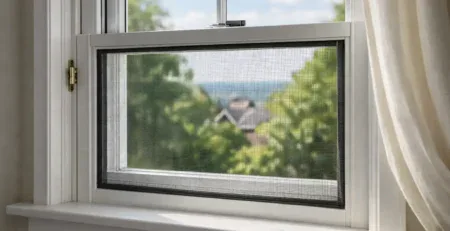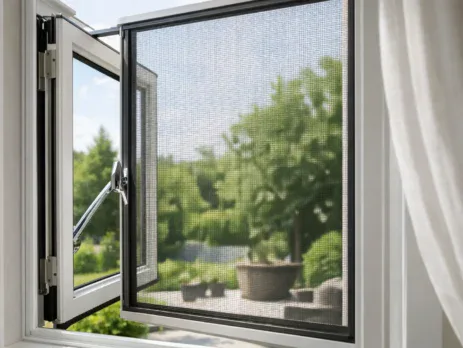
Casement windows are excellent for ventilation, but once the weather turns warm they also give flies, wasps and other insects a clear route indoors. Bespoke insect screens for casement windows solve that problem properly. Instead of relying on cut-to-size mesh, tape-on fixes or temporary screens that never sit square, a made-to-measure system is built to fit the opening, work with the window style and stay effective over time.
That matters more than many people expect. A poorly fitting screen does not just look untidy. It can leave gaps at the edges, interfere with handles or restrict how the sash opens and closes. In a home, that means irritation and repeated adjustments. In a kitchen, food-preparation area or managed property, it can become a hygiene issue very quickly.
Why casement windows need a made-to-measure approach
Casement windows are one of the most common window styles in the UK, but they are not all identical. Some open outwards with generous handle clearance. Others sit within deeper reveals, have trickle vents, projecting ironmongery or limited fixing space. Older properties may also have slight variation from one opening to the next, even when the windows appear the same at first glance.
This is where bespoke insect screens for casement windows make practical sense. A made-to-measure screen is produced to the actual dimensions of the opening rather than an assumed standard size. That gives a neater fit, more reliable insect control and a better result visually. It also reduces the likelihood of the screen fouling hinges, catches or handles.
For domestic customers, the main aim is usually simple – keep insects out while allowing fresh air in. For commercial sites, there is often an additional requirement for dependable daily use, easy cleaning and durable materials that stand up to a busier environment. In both cases, getting the fit right from the start is what makes the screen worth having.
Which bespoke insect screens for casement windows work best?
The right screen type depends on how the window is used, who uses it and how often access is needed. There is no single answer for every property.
Fixed frame screens are often a strong option where the goal is straightforward protection during the warmer months. They provide a taut, stable mesh area and can be removed when required. For windows that are opened regularly but do not need pass-through access, this can be one of the neatest and most cost-effective choices.
Hinged screens suit casement windows where regular access to the window itself is important. They allow the screen to open independently, which is useful for cleaning, reaching catches or adjusting the window without removing the whole unit. In domestic kitchens and utility rooms, that convenience can make a noticeable difference.
Roller insect screens are a good fit where a more flexible solution is needed. They retract when not in use, which can suit windows used seasonally or spaces where customers want the option of a clear, unscreened opening through part of the year. The trade-off is that a retractable system involves more moving parts than a simple fixed frame, so product quality and proper measuring matter even more.
Magnetic options may suit certain lighter-duty domestic situations, especially where simple removal is a priority. Even then, the shape of the reveal and the position of the handle still need to be considered carefully. Not every casement window lends itself equally well to every fixing method.
What to look for in a quality screen
The frame and mesh specification matter just as much as the measurements. A screen that fits well but is built from weak materials will not give the long service life most buyers want.
Aluminium-framed systems are often preferred because they combine low weight with good durability. They resist warping better than many improvised alternatives and give the screen a cleaner, more rigid finish. For homeowners, that means a screen that continues to sit correctly. For landlords and facilities managers, it means fewer replacements and less maintenance.
Mesh choice also deserves attention. Standard insect mesh is suitable for many domestic applications, but some sites benefit from specialist options. Finer mesh can be useful where smaller insects are a concern. Stronger mesh may be preferable where pets, frequent handling or tougher operating conditions are likely. In commercial settings, the balance between airflow, visibility and durability should be assessed properly rather than treated as an afterthought.
Colour and finish can also affect the final result. A discreet frame and well-selected mesh help the screen sit naturally within the window area instead of drawing attention. That may be a minor consideration in a back-of-house kitchen, but it matters more in living spaces, conservatories and customer-facing premises.
Measuring and fitting without guesswork
The biggest weakness of many off-the-shelf insect screens is that they ask the product to adapt to the window rather than the other way round. That usually leads to compromise. You trim, adjust, add packing or accept a small gap because it seems close enough. In practice, close enough is often where insects get through.
A bespoke system starts with the opening as it actually exists. Width, height, reveal depth, handle projection and fixing surface all need to be considered. On casement windows, even a well-made screen can become awkward if the handle sits proud or the hinges reduce available clearance.
That is why a proper product specification matters. The screen should be designed for the installation method, not simply sold as a generic panel. For many buyers, especially those ordering multiple units, consistency is a major benefit. Once the measurements are taken correctly, each screen can be produced to suit its exact position.
Installation is often more straightforward than customers expect, provided the right type of screen has been chosen. A made-to-measure product reduces on-site adjustment and helps achieve a cleaner finish. For trade buyers and maintenance teams, that can save time across larger orders. For homeowners, it means less frustration and a more professional result.
Domestic and commercial use cases are not quite the same
In a house, the usual priority is comfort. Bedrooms, kitchens and garden-facing rooms benefit from ventilation without the nuisance of insects entering at dusk or during warmer spells. If windows are opened daily, the screen needs to be easy to live with. That means smooth operation, an unobtrusive appearance and materials that will last beyond a single summer.
In rental properties, durability becomes more important. A flimsy screen may not survive repeated use, removal or cleaning. Bespoke units with stronger frames and a more dependable fit tend to offer better value over time, especially where replacements and call-backs carry a cost.
Commercial environments raise the stakes further. In food-preparation areas, hospitality settings and workplace kitchens, insect control supports hygiene as well as comfort. Screens must allow ventilation but remain reliable under regular use. They also need to be practical to maintain. A cheap temporary fix rarely performs well for long in this kind of setting.
This is one reason many buyers choose a specialist manufacturer rather than a general home-improvement product. Premier Screens, for example, supplies made-to-measure options built around actual window requirements, with product types and mesh specifications that reflect both domestic and commercial use.
When bespoke is worth it – and when it may be more than you need
Made-to-measure is usually the right choice for casement windows, but the level of specification should still match the job.
If you need one screen for a rarely opened spare room window, a simpler frame and standard mesh may be entirely suitable. If the window sits in a kitchen used every day, or in a commercial environment where hygiene is non-negotiable, it makes sense to choose a more durable system from the outset.
The same applies to access requirements. If the screen will stay in place for most of the season, a fixed option may be ideal. If the user needs to reach the window regularly, a hinged or retractable design may justify the extra spend. The best choice is not always the cheapest initial option. It is the one that fits the window properly and suits how the space is actually used.
A well-made insect screen should not feel like an afterthought. On casement windows, it should sit neatly, operate as intended and do its job without constant adjustment. When the fit, frame and mesh are chosen carefully, you get the simple result most people want in the first place – fresh air indoors, insects kept out, and one less seasonal nuisance to deal with.
Roller is one of several options — compare it against the rest of our fly screens for windows before you decide.