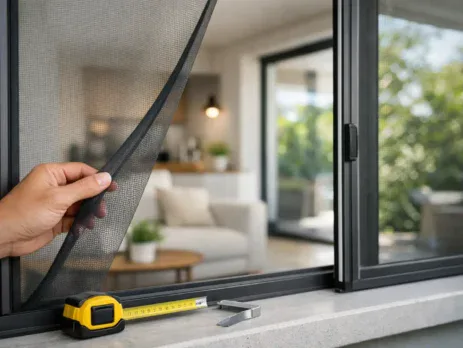
When a fly screen does not quite fit, you notice it immediately. Gaps at the edge, sagging mesh, awkward opening, and frames that look like an afterthought all undermine the point of having one. Made to measure fly screens solve that problem properly by matching the opening they are designed for, whether that is a kitchen window, a set of patio doors or a busy commercial doorway.
For most customers, the real question is not whether a fly screen works. It is which type will work best in a specific opening, how durable it needs to be, and whether a bespoke screen is worth choosing over a cut-to-size DIY alternative. In homes and workplaces alike, the answer often comes down to fit, reliability and day-to-day use.
Why made to measure fly screens work better
A fly screen has one main job – keeping insects out while allowing ventilation. That sounds simple, but it only works consistently when the screen suits the opening. Standard sizes can be useful in limited situations, yet many UK windows and doors do not follow neat off-the-shelf dimensions. Even where the size looks close enough, the frame profile, handle clearance, reveal depth and opening style can all affect performance.
Made to measure fly screens are built around those practical details. A closer fit means fewer gaps for flies, wasps and mosquitoes to find their way through. It also means a tidier finish, more reliable operation and less chance of the screen becoming a nuisance to use. If the screen is awkward, stiff or poorly aligned, people stop using it. That defeats the object.
There is also a durability point. A properly specified aluminium-framed screen made for the exact opening is generally more stable over time than a generic, trimmed-down product. In domestic settings that matters for everyday comfort. In commercial and food-preparation settings it matters even more, because insect control and hygiene are part of routine operational standards rather than a seasonal convenience.
Choosing made to measure fly screens by opening type
The right screen depends less on trend and more on how the opening is used.
Windows
For kitchen and bathroom windows, fixed frame and hinged fly screens are often a sensible choice. They provide dependable coverage and are well suited to openings where ventilation is needed regularly but access through the opening itself is limited. Roller fly screens can also work well on windows where you want the option to retract the mesh when it is not needed, especially in colder months.
The best option depends on how often the window is opened, whether there is a need for quick removal or cleaning, and how much surrounding frame space is available. If a window sits in a tight reveal or has handles that project, those measurements matter.
Doors and patios
Doorways need a different approach because people, pets and goods need to pass through them. Hinged fly screen doors suit many rear doors and side entrances, especially where there is a single, regular route in and out. Sliding screens tend to be a strong option for patio doors and larger glazed openings. Plissé screens are also popular on wider doorways because they fold neatly and can be easier to live with in spaces used frequently.
For households with children or pets, or for commercial premises with repeated foot traffic, strength and ease of operation usually matter more than having the cheapest screen available. A door screen needs to stand up to use, not just look acceptable on day one.
Commercial access points
In food businesses, kitchens, service areas and loading points, insect control has to work alongside movement of staff and deliveries. Chain fly screens, heavy-duty door screens and PVC strip curtain systems can all have a place, depending on the opening and the level of traffic. The right answer is rarely one-size-fits-all. A busy back-of-house doorway has different demands from a domestic patio entrance, even if both need fresh air and insect protection.
Frame, mesh and finish all matter
Customers often focus first on dimensions, but specification matters just as much as size. A made-to-measure screen should not only fit the opening. It should suit the environment.
Aluminium-framed screens are widely chosen because they are rigid, long-lasting and suitable for repeated use. In a kitchen, where heat, steam and cleaning are part of normal life, that matters. In commercial premises, the case is even stronger. Screens need to cope with regular handling without quickly becoming bent or loose.
Mesh choice also deserves attention. Standard insect mesh is suitable for many domestic applications, but some sites need something more specific. Finer mesh may help where small insects are a particular issue, while stronger pet-resistant or heavy-duty options can make sense where wear is likely. The trade-off is that denser or tougher mesh can alter visibility or airflow slightly. That does not make it a poor choice – it just means the best mesh depends on the job.
The value of a proper measurement
Good made to measure fly screens begin with accurate measuring. That sounds obvious, but it is where many buying mistakes happen. A few millimetres can make the difference between a clean fit and an installation problem.
Measurements should reflect the actual mounting position, not just the visible opening. For example, a screen fitted within a recess may need different allowances from one mounted to the face of the frame. Obstructions such as handles, trickle vents, cills or surrounding trim can affect both sizing and product choice. On doors, threshold detail and side clearance can be just as important as width and height.
This is one reason bespoke supply is often preferred over adapting a general-purpose kit. With a properly specified product, the measuring process is tied to the screen type being supplied. That reduces guesswork and makes installation more straightforward.
Are made to measure fly screens worth it?
In most cases, yes – particularly when the opening is used often or the setting is hygiene-sensitive. Off-the-shelf products can seem cheaper at first glance, but they often involve compromise. The fit may be untidy, the frame less durable, or the method of fixing less secure. If the screen needs replacing after a short period, the lower upfront cost stops looking like good value.
Made to measure fly screens are usually the better long-term option because they are designed to do the job properly from the start. They can also look more in keeping with the property or premises, which matters for visible openings such as front-facing windows, bifold doors and customer-facing commercial areas.
That said, the best product is not automatically the most complex one. A simple fixed or hinged screen can be exactly right where the opening and usage are straightforward. The key is choosing the screen around function rather than assuming every space needs the same solution.
Domestic and commercial needs are not identical
Homeowners often prioritise comfort, appearance and ease of use. They want to keep flies out of the kitchen, enjoy airflow in bedrooms, and leave doors open in warmer weather without inviting insects inside. Landlords may place more emphasis on durability and low maintenance, especially in rental properties where simple, reliable products tend to perform best.
Commercial buyers usually have a broader set of concerns. Hygiene, operational flow, staff access and longevity all carry more weight. A screen in a catering environment needs to support ventilation without creating friction in daily routines. Facilities managers and trade buyers also tend to look closely at replacement cycles, consistency across multiple openings and supply reliability.
That is where working with a specialist manufacturer can make a practical difference. A company focused on bespoke screening systems, such as Premier Screens, can offer a wider choice of configurations and mesh options than a general retailer, while keeping the discussion rooted in measurements, usage and durability rather than guesswork.
Installation and everyday use
A good screen should be straightforward to fit and even easier to live with. If a screen takes too much effort to open, remove or clean, it will quickly become less useful. This is especially relevant in kitchens, utility rooms and commercial doors where access is frequent.
Made to measure products help here because they reduce the adjustment often needed with generic kits. Once fitted correctly, the screen should feel like part of the opening rather than an add-on. The best result is usually the one you stop noticing – except when the room stays comfortable and insect-free.
Maintenance is generally simple. Keeping frames clean, checking the mesh for damage and making sure moving parts operate freely will extend service life. In higher-traffic or commercial settings, regular inspection is sensible, particularly on doors and heavy-use openings.
The right fly screen is rarely the one with the most features. It is the one that fits properly, suits the way the opening is used, and carries on doing its job through summer heat, daily traffic and regular cleaning. If you start with the opening, the environment and the level of use, choosing made to measure becomes much less about guesswork and much more about getting a screen that simply works.